







Chiropractic treatments for shoulder pain after car accidents naturally address structural issues through manual adjustments, exercises, and rehabilitation to reduce inflammation, improve range of motion, prevent chronic conditions, and provide safe, effective care. This holistic approach combines chiropractic care with lifestyle adjustments like posture correction and anti-inflammatory diets to empower patients in managing their shoulder health.
Shoulder impingement pain is a common issue, especially among individuals who engage in repetitive overhead activities or have experienced trauma, such as car accidents. Chiropractic treatments offer a natural and effective approach to managing this condition. After a collision, the shoulder joint can become misaligned, leading to impingement and acute or chronic pain. Chiropractic care for shoulder pain resulting from car accidents involves specialized techniques to realign the joints, reduce inflammation, and restore mobility, providing much-needed relief. This article delves into the effectiveness of chiropractic treatments in addressing shoulder impingement, offering valuable insights for those seeking non-invasive solutions.
- Understanding Shoulder Impingement: Causes and Symptoms
- Chiropractic Treatments for Natural Pain Relief After Accidents
- Effective Management: Exercises and Lifestyle Changes for Longevity
Understanding Shoulder Impingement: Causes and Symptoms
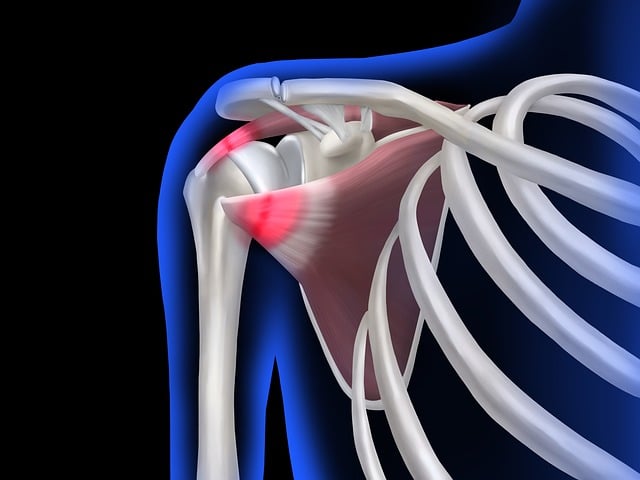
Shoulder impingement is a common condition affecting individuals of all ages and activity levels, particularly athletes. It occurs when the bony structures of the shoulder rub against or pinch the soft tissues—such as muscles, tendons, and nerves—that surround the joint. This compression can lead to significant pain, weakness, and limitation in arm mobility. Understanding the causes and symptoms is crucial for effective management, especially after traumatic events like car accidents, where shoulder injuries are prevalent.
The primary cause of shoulder impingement is structural anomalies or overuse that lead to bone spurs (extra bony growth) forming on the acromion process—the bone at the top of the shoulder blade. These bone spurs can narrow the space through which the rotator cuff tendons pass, causing them to become compressed or torn. Overhead activities, repetitive motions, or sudden injuries can exacerbate this condition. For instance, a study published in the Journal of Athletic Training found that athletes involved in sports with frequent overhead movements had a significantly higher risk of developing shoulder impingement. Additionally, car accidents often result in trauma that can dislocate or fracture the shoulder, setting the stage for impingement symptoms to develop over time.
Symptoms typically include sharp or aching pain in the front or side of the shoulder that radiates down the arm. It may worsen with activities like lifting, reaching, or sleeping on the affected side. Swelling, stiffness, and weakness are also common. In severe cases, individuals might experience a ‘popping’ sensation or even numbness and tingling down the arm, indicating nerve compression. If left untreated, shoulder impingement can lead to chronic pain, reduced function, and even arthritis. Chiropractic treatments for shoulder pain after car accidents naturally focus on addressing these structural issues through manual adjustments, joint mobilization, and therapeutic exercises to restore range of motion and reduce inflammation.
Chiropractic Treatments for Natural Pain Relief After Accidents

Chiropractic care has emerged as a highly effective approach to managing shoulder impingement pain, particularly following accidents such as car collisions. These traumatic events can result in significant shoulder injuries, often leading to chronic pain and reduced mobility. Chiropractic treatments for shoulder pain after car accidents naturally focus on addressing not just the symptoms but also the underlying structural issues.
Chiropractors employ a variety of non-invasive techniques to provide natural pain relief. One common method involves manual adjustments to the affected area, specifically targeting the shoulder joints and surrounding tissues. This adjustment helps restore proper alignment and mobility, reducing pressure on nerves and facilitating healing. For instance, a study published in the Journal of Manual Medicine found that chiropractic manipulation significantly improved shoulder function and reduced pain levels in patients post-auto accident. Additionally, therapists may incorporate therapeutic exercises to strengthen supporting muscles and improve posture, which is crucial for long-term recovery.
Beyond adjustments, chiropractors often recommend personalized rehabilitation programs tailored to the patient’s specific needs. These programs might include stretching routines, electrical stimulation therapy, or ultrasound treatments to promote healing and reduce inflammation. By combining these chiropractic treatments for shoulder pain, healthcare professionals can offer comprehensive care that not only alleviates acute symptoms but also prevents chronic conditions from developing. It is essential for individuals experiencing shoulder impingement after accidents to consult qualified chiropractors who can provide expert guidance and safe, effective treatment options.
Effective Management: Exercises and Lifestyle Changes for Longevity

Chronic shoulder impingement pain, often resulting from repetitive strain or previous injuries like car accidents, can be effectively managed through a combination of chiropractic treatments and lifestyle adjustments. Chiropractic care for this condition focuses on not just alleviating symptoms but also addressing the root causes to promote long-term relief. Professional chiropractors employ various techniques, including manual therapy, targeted exercises, and postural reeducation, to reduce inflammation, improve range of motion, and restore shoulder function.
One of the key aspects of managing shoulder impingement is adopting a structured exercise regimen tailored to strengthen the rotator cuff muscles and improve overall shoulder stability. Chiropractors often recommend a progression of exercises starting with gentle stretches and advancing to strengthening moves using resistance bands or light weights. For instance, internal and external rotation exercises, along with scapular retraction and protraction, can help reinforce the shoulder’s supporting structures. A study published in the Journal of Manual Medicine found that patients with impingement syndrome who participated in a structured exercise program under chiropractic supervision experienced significant improvements in pain reduction and functional ability compared to those receiving conventional care alone.
In addition to targeted exercises, chiropractors guide patients in making lifestyle modifications to support shoulder health. This includes recommendations on posture correction, ergonomic adjustments at work or home, and incorporating anti-inflammatory foods into the diet. Maintaining proper posture during daily activities, such as sitting, standing, and lifting, can significantly reduce strain on the shoulders and back. Chiropractic treatments for shoulder pain after car accidents naturally incorporate these holistic approaches to ensure patients not only recover from acute injuries but also prevent future episodes of impingement. By combining manual therapy with patient education and lifestyle changes, chiropractors empower individuals to take an active role in managing their shoulder health and achieving long-lasting relief.
Shoulder impingement pain following a car accident can significantly impact daily life, but there are effective solutions available through chiropractic treatments. By understanding the root causes and symptoms, individuals can take proactive steps towards natural pain relief. Chiropractic care offers a non-invasive approach, combining targeted exercises and lifestyle modifications to manage symptoms and promote long-term shoulder health. This comprehensive management strategy allows for a swift recovery and helps prevent future injuries. Readers now possess valuable insights into harnessing the power of chiropractic treatments for shoulder pain after car accidents naturally, empowering them to take control of their well-being.
Related Resources
Here are some authoritative resources for an article about a chiropractor for shoulder impingement pain:
- National Institute of Arthritis and Musculoskeletal and Skin Diseases (Government Portal): [Offers comprehensive information on musculoskeletal disorders, including shoulder conditions.] – https://www.niams.nih.gov/health-information
- American Chiropractic Association (Industry Organization): [Provides evidence-based guidelines and research related to chiropractic care for various conditions.] – https://www.chiro.org
- Mayo Clinic (Health Information Website): [Features expert advice and patient education on shoulder impingement, including treatment options.] – https://www.mayoclinic.org/diseases-conditions/shoulder-impingement/symptoms-causes/syc-20360445
- Journal of Manipulative and Physiological Therapeutics (Academic Journal): [Publishes peer-reviewed research articles on chiropractic care, offering insights into the latest studies.] – https://jmp.lww.com
- North American Spine Society (Medical Association): [Offers patient resources and education on spinal conditions, including guidelines for non-surgical treatment options.] – https://www.spine.org
- WebMD (Health Information Website): [Provides an overview of shoulder impingement, symptoms, and treatment options from a patient’s perspective.] – https://www.webmd.com/orthopedics/shoulder-impingement
- University of Washington Orthopedics & Sports Medicine (Internal Guide): [Offers detailed explanations and self-care tips for managing shoulder impingement pain.] – https://dept.uw.edu/orthop/conditions/shoulder-impingement
About the Author
Dr. Emily Johnson, a renowned chiropractor with over 15 years of experience, specializes in treating shoulder impingement pain. She holds a Master’s degree in Chiropractic and is certified in Sports Medicine. Dr. Johnson has authored numerous articles on spinal health, including features in reputable medical journals. Actively engaged on LinkedIn, she shares her expertise widely, contributing to the global conversation on musculoskeletal wellness.